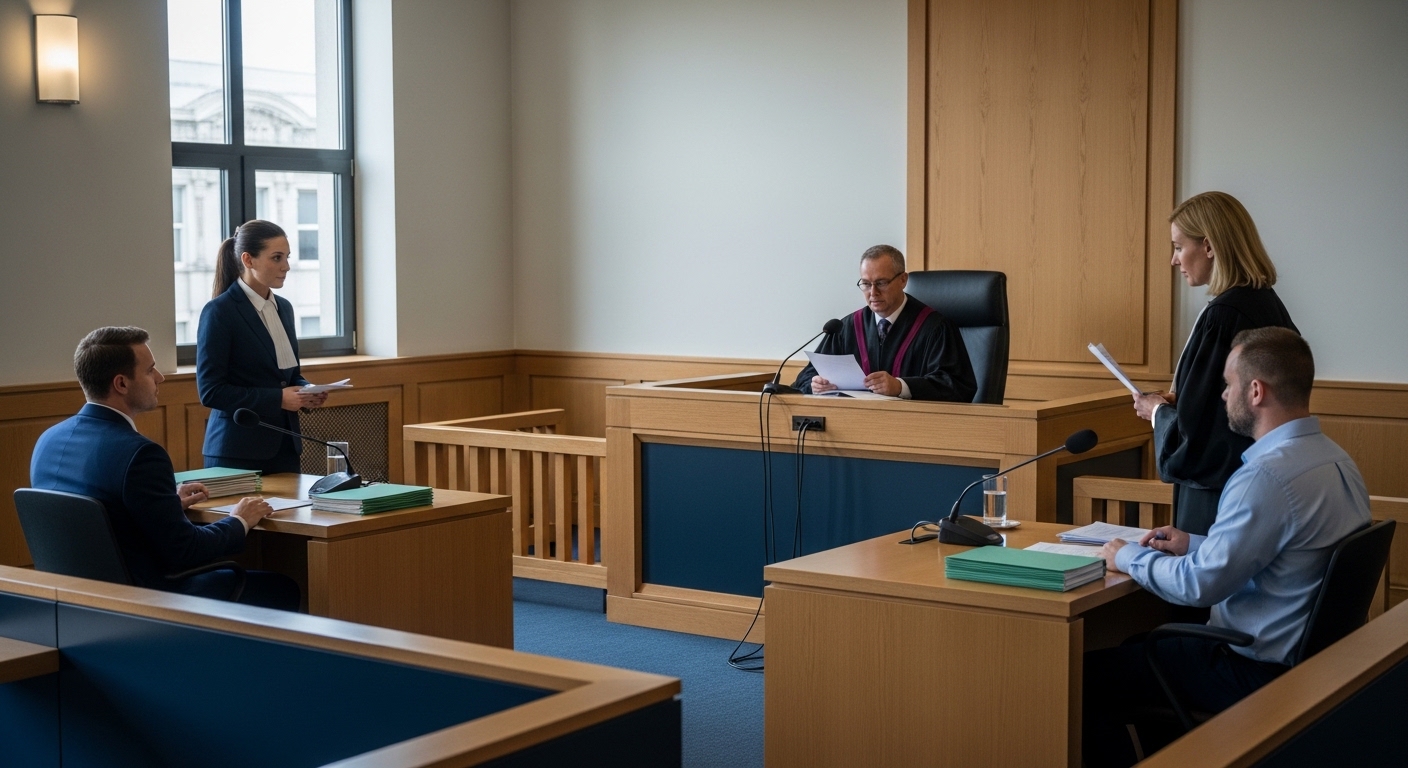
Criminal law is a branch of law that defines crimes, regulates criminal behavior, and establishes punishments for violations. It protects society by deterring unlawful conduct and holding offenders accountable. Criminal law differs from civil law because it involves offenses against the state or public order rather than private disputes. In 2026, criminal law continues to evolve with changes in cybercrime regulation, digital evidence standards, and human rights protections. This guide explains criminal law in simple international English, covering definitions, types of crimes, elements of a crime, legal procedures, rights of the accused, penalties, and future developments.
What Is Criminal Law
Criminal law is the body of laws that define prohibited conduct and establish penalties for committing crimes. It applies when an individual or entity violates a law enacted by the government. Criminal offenses are prosecuted by the state, not by private individuals.
Purpose of Criminal Law
The primary purpose of criminal law is to maintain public safety and order. It aims to deter crime, punish offenders, rehabilitate individuals, and protect society. Criminal law also provides fairness by ensuring due process and legal representation.
Types of Crimes
| Crime Category | Examples |
|---|---|
| Violent Crimes | Assault, robbery, homicide |
| Property Crimes | Theft, burglary, vandalism |
| White-Collar Crimes | Fraud, embezzlement |
| Cybercrimes | Hacking, identity theft |
Elements of a Crime
To convict someone, the prosecution must prove specific elements of a crime. These typically include actus reus (guilty act), mens rea (guilty mind), causation, and harm. Both physical action and criminal intent are usually required.
Classification of Offenses
| Classification | Description |
|---|---|
| Felony | Serious crime with severe penalties |
| Misdemeanor | Less serious offense |
| Infraction | Minor violation such as traffic offenses |
Criminal Law vs Civil Law
| Aspect | Criminal Law | Civil Law |
|---|---|---|
| Purpose | Punish wrongdoing | Resolve private disputes |
| Prosecutor | Government | Private individual |
| Outcome | Prison, fines | Monetary damages |
Stages of the Criminal Justice Process
| Stage | Description |
|---|---|
| Investigation | Police gather evidence |
| Arrest | Suspect taken into custody |
| Trial | Court evaluates evidence |
| Sentencing | Judge imposes penalty |
Rights of the Accused
Individuals accused of crimes have rights including the right to remain silent, right to legal counsel, right to a fair trial, and protection against unlawful searches. These rights are essential to ensure justice.
Common Criminal Defenses
| Defense Type | Explanation |
|---|---|
| Self-Defense | Acting to prevent harm |
| Insanity Defense | Lack of criminal intent due to mental condition |
| Alibi | Proof of being elsewhere |
| Duress | Act committed under threat |
Penalties and Sentencing
Penalties vary depending on crime severity and jurisdiction. They may include imprisonment, probation, fines, community service, or rehabilitation programs. Sentencing guidelines aim to ensure consistency.
Role of Criminal Lawyers
Criminal defense attorneys represent accused individuals, while prosecutors represent the state. Lawyers investigate evidence, negotiate plea agreements, and advocate during trial.
Evidence in Criminal Cases
Evidence may include witness testimony, forensic reports, digital data, surveillance footage, and physical objects. The prosecution must prove guilt beyond a reasonable doubt.
Juvenile Criminal Law
Juvenile law applies to minors accused of crimes. The system often focuses more on rehabilitation than punishment.
Future of Criminal Law
Emerging trends include regulation of cybercrime, artificial intelligence-related offenses, digital evidence standards, and reform in sentencing policies.
FAQs
What is criminal law in simple terms?
Criminal law defines crimes and establishes punishments for individuals who violate the law.
What is the difference between felony and misdemeanor?
Felonies are more serious crimes with harsher penalties, while misdemeanors are less severe offenses.
What rights does an accused person have?
They have the right to remain silent, legal representation, and a fair trial.
Who prosecutes criminal cases?
Criminal cases are prosecuted by the government.
Can someone go to jail for a misdemeanor?
Yes, some misdemeanors may carry short-term jail sentences depending on jurisdiction.