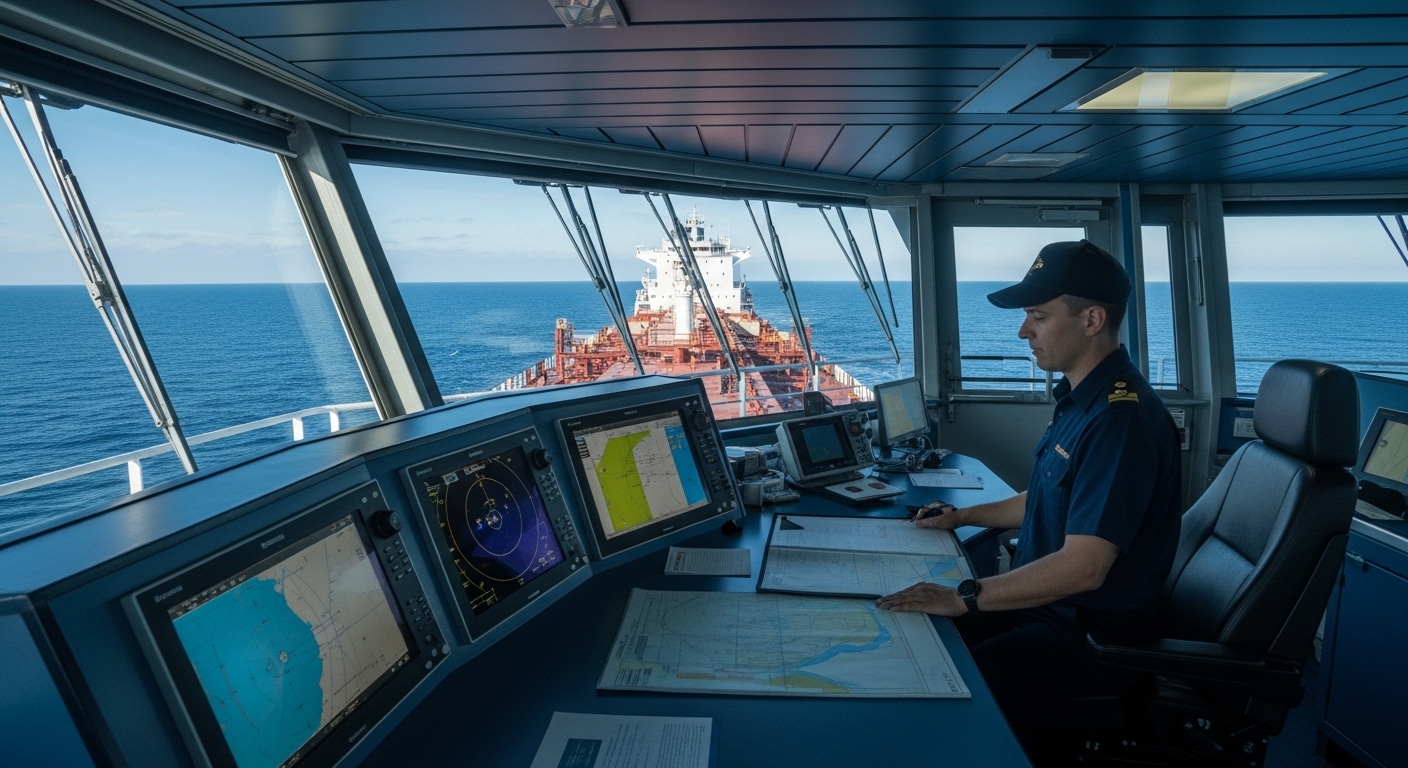
What is maritime law? Maritime law, also called admiralty law, is a specialized area of law that governs activities on navigable waters such as seas, oceans, rivers, and large lakes. It regulates shipping operations, marine commerce, cargo disputes, marine injuries, vessel ownership, and environmental protection. Maritime law combines international treaties, national statutes, and judicial precedents. Because shipping is global, maritime law plays a crucial role in international trade and transportation. This guide explains maritime law in simple international English, covering its definition, scope, principles, legal rights, types of cases, compensation rules, and global impact.
What Is Maritime Law
Maritime law is a body of laws that governs activities occurring on navigable waters. It applies to commercial shipping, marine navigation, sailors' rights, and ocean-based industries. Maritime law ensures safe operations, fair trade, and legal accountability at sea.
History of Maritime Law
Maritime law dates back to ancient civilizations such as Greece and Rome, where early trade rules were established. Over centuries, international trade expanded, and legal systems developed to regulate shipping practices. Modern maritime law is influenced by international conventions and national legislation.
Scope of Maritime Law
| Area | Description |
|---|---|
| Shipping Law | Regulation of vessels and navigation |
| Marine Insurance | Coverage for ships and cargo |
| Seafarer Rights | Protection of crew members |
| Admiralty Claims | Legal disputes at sea |
Key Principles of Maritime Law
Maritime law is based on principles such as duty of care, seaworthiness, maintenance and cure, limitation of liability, and salvage rights. These principles protect shipowners, crew members, and cargo owners.
Types of Maritime Law Cases
| Case Type | Examples |
|---|---|
| Personal Injury | Injuries to seafarers or dock workers |
| Cargo Disputes | Damaged or lost shipments |
| Collision Cases | Ship-to-ship accidents |
| Salvage Claims | Recovery of damaged vessels |
Maritime Law vs Admiralty Law
The terms maritime law and admiralty law are often used interchangeably. Admiralty law traditionally refers to court jurisdiction over maritime cases, while maritime law covers the broader legal framework governing ocean activities.
Rights of Seafarers and Workers
Seafarers have legal rights including safe working conditions, medical care, fair wages, and repatriation rights. Laws such as the Jones Act in certain jurisdictions protect injured maritime workers.
Maritime Injury Claims
| Compensation Type | Examples |
|---|---|
| Medical Expenses | Treatment and rehabilitation |
| Lost Wages | Income during recovery |
| Maintenance and Cure | Daily living expenses |
| Pain and Suffering | Physical and emotional damages |
Cargo and Shipping Disputes
Disputes may arise over delayed shipments, damaged goods, contract breaches, or freight payment issues. Maritime contracts often include arbitration clauses.
Environmental Regulations in Maritime Law
Maritime law regulates pollution prevention, oil spills, waste disposal, and marine ecosystem protection. International rules aim to reduce environmental damage caused by shipping.
International Maritime Conventions
| Convention | Purpose |
|---|---|
| SOLAS | Safety of Life at Sea standards |
| MARPOL | Marine pollution prevention |
| UNCLOS | Law of the Sea framework |
Jurisdiction in Maritime Cases
Jurisdiction depends on vessel registration, location of incident, and international agreements. Maritime cases may be handled in federal courts or specialized admiralty courts.
Compensation and Damages
Compensation may include economic and non-economic damages. Liability can be limited under certain maritime statutes, depending on circumstances.
Future of Maritime Law
The future of maritime law includes regulation of autonomous vessels, cybersecurity in shipping, climate compliance rules, and expanded environmental protections.
FAQs
What is maritime law in simple terms?
Maritime law governs activities, disputes, and legal rights on navigable waters such as oceans and seas.
Is maritime law international?
Yes. It is influenced by international treaties and national laws.
What cases fall under maritime law?
Shipping disputes, marine injuries, vessel collisions, and cargo claims fall under maritime law.
What rights do seafarers have?
Seafarers have rights to safe working conditions, medical care, and compensation for injuries.
Why is maritime law important?
It ensures safe navigation, fair trade, and legal protection in global shipping.