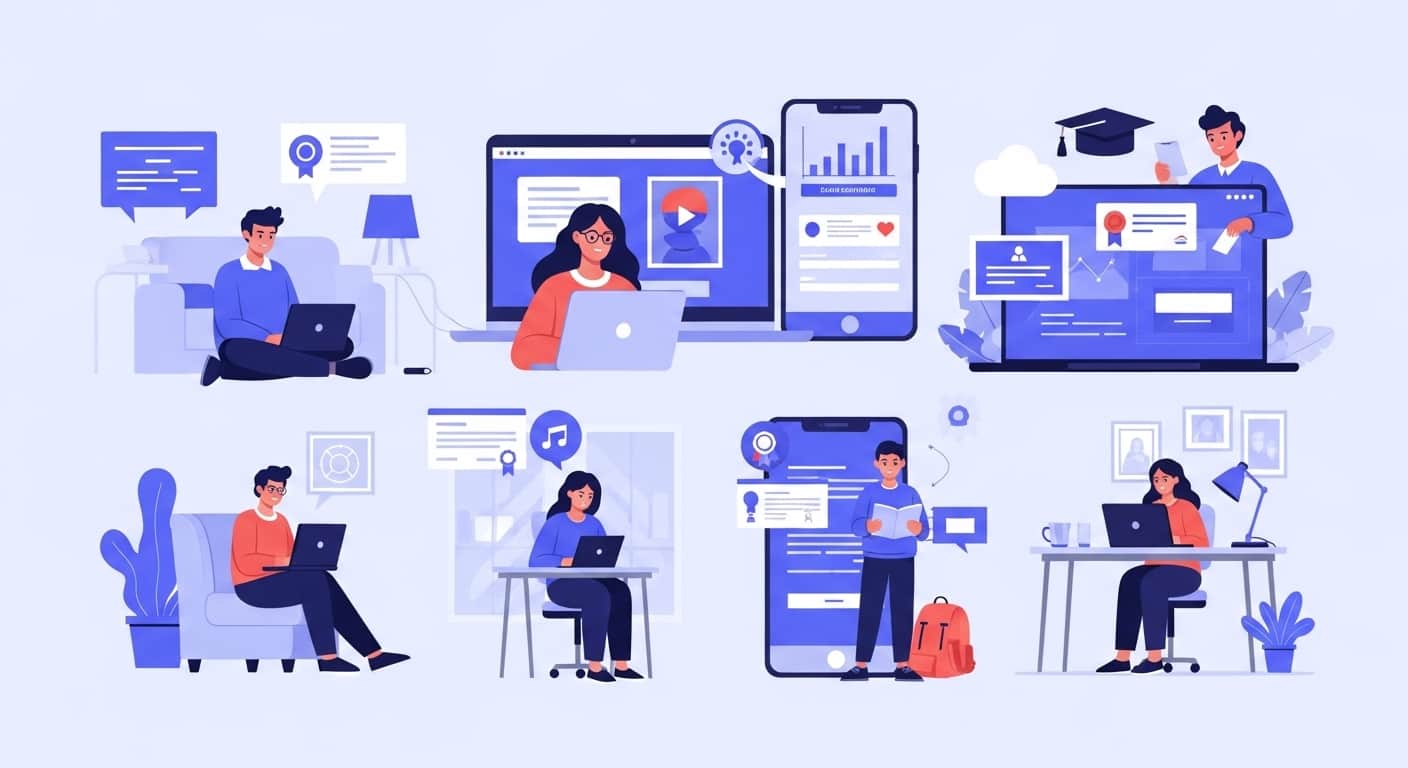
Online learning platforms have transformed education by making learning accessible, flexible, and affordable. Instead of relying only on traditional classrooms, learners can now study through digital courses, video lessons, and interactive tools. In 2026, online learning platforms are widely used by school students, college students, working professionals, and lifelong learners. This guide explains online learning platforms in simple international English, helping readers understand how they work and how to use them effectively.
What Are Online Learning Platforms
Online learning platforms are digital systems that deliver educational content through the internet. They provide courses, lessons, assessments, and certifications that learners can access using computers or mobile devices.
Why Online Learning Platforms Are Popular
Online learning platforms are popular because they remove barriers related to location, time, and cost. Learners can study at their own pace and access high-quality content from anywhere.
Reasons for Popularity Table
| Reason | Explanation |
|---|---|
| Flexibility | Learn anytime, anywhere |
| Affordability | Lower cost than traditional education |
| Wide Course Options | Multiple subjects and skills |
| Self-Paced Learning | Personalized study speed |
Types of Online Learning Platforms
Online learning platforms come in different formats depending on learning goals.
Platform Types Table
| Platform Type | Purpose |
|---|---|
| Academic Learning Platforms | School and college education |
| Skill-Based Platforms | Professional and job skills |
| Competitive Exam Platforms | Exam preparation |
| Corporate Learning Platforms | Employee training |
Online Learning Platforms by User Type
Different learners use online platforms for different purposes.
User-Based Table
| User Type | Learning Focus |
|---|---|
| School Students | Concept clarity and homework help |
| College Students | Subject depth and exams |
| Working Professionals | Career upskilling |
| Lifelong Learners | Personal development |
Key Features of Online Learning Platforms
Most online learning platforms share common features that support effective learning.
Features Table
| Feature | Purpose |
|---|---|
| Video Lessons | Concept explanation |
| Assessments | Progress evaluation |
| Certificates | Skill validation |
| Discussion Forums | Peer interaction |
| Mobile Access | Learning on the go |
Benefits of Online Learning Platforms
Online learning platforms offer multiple benefits to learners across age groups.
Benefits Table
| Benefit | Impact |
|---|---|
| Flexible Learning | Better time management |
| Cost Savings | Affordable education |
| Skill Relevance | Industry-aligned learning |
| Global Access | Learn from anywhere |
Online Learning Platforms vs Traditional Learning
Online learning and traditional classroom learning differ in delivery and experience.
Comparison Table
| Aspect | Online Learning | Traditional Learning |
|---|---|---|
| Flexibility | High | Low |
| Cost | Lower | Higher |
| Accessibility | Global | Location-based |
| Interaction | Digital | Face-to-face |
How to Choose the Right Online Learning Platform
Choosing the right platform depends on learning goals, content quality, certifications, and ease of use. Learners should also consider reviews and course relevance.
Challenges of Online Learning Platforms
- Lack of motivation
- Digital distractions
- Limited personal interaction
- Inconsistent learning habits
Best Practices for Online Learning
Following best practices improves success with online learning platforms.
- Set clear learning goals
- Follow a consistent study schedule
- Actively participate in discussions
- Apply learned skills practically
Future of Online Learning Platforms
The future of online learning platforms includes AI-driven personalization, adaptive learning paths, virtual classrooms, and industry-recognized micro-credentials.
FAQs
What are online learning platforms?
They are digital platforms that provide courses and educational content online.
Are online learning platforms effective?
Yes, when used with discipline and practical application.
Are online courses recognized?
Many platforms offer industry-recognized certifications.
Who can use online learning platforms?
Students, professionals, and lifelong learners.
What is the future of online learning?
It will be more personalized, AI-driven, and skill-focused.