Online School Early Childhood Education: A Simple Guide for Parents and Teachers
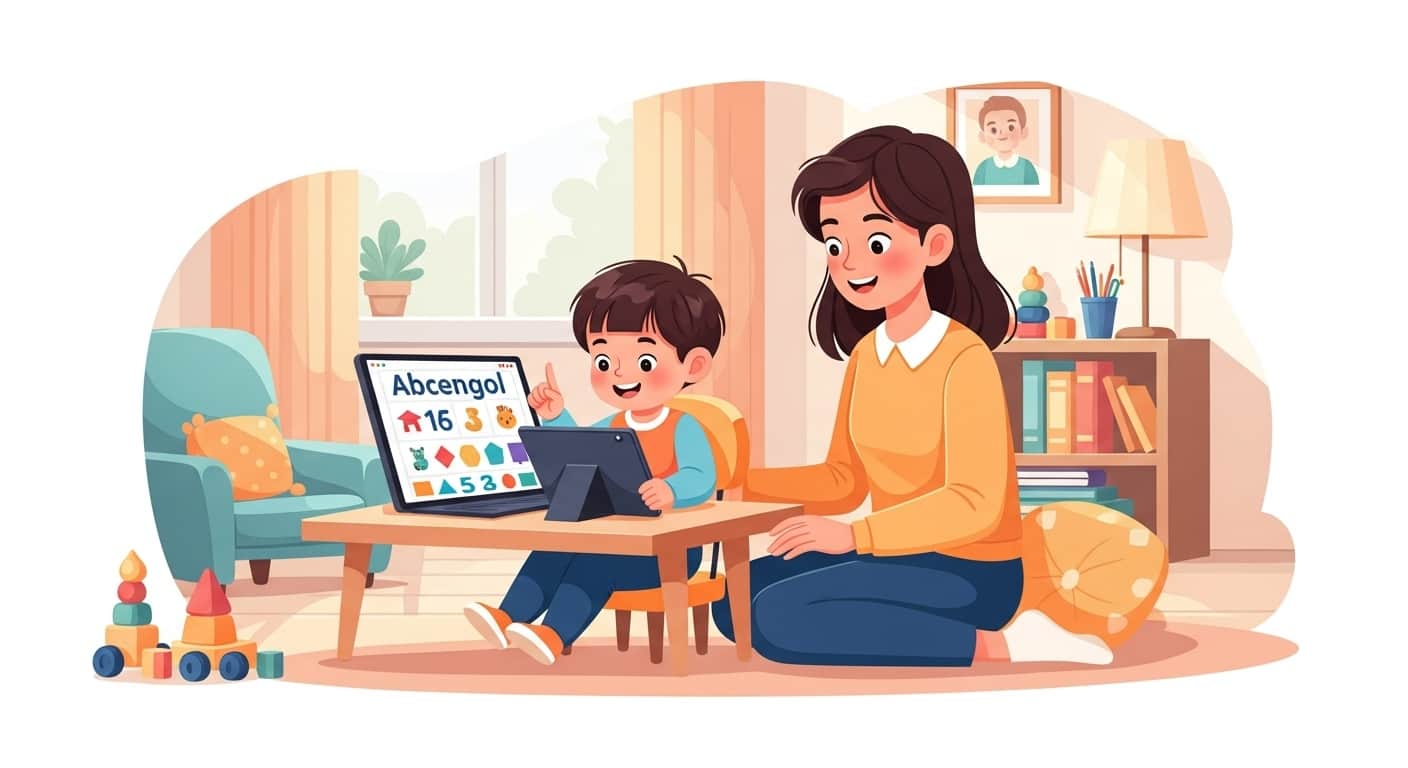
Online school early childhood education has grown rapidly as families look for flexible and safe learning options for young children. With better internet access and child-friendly platforms, learning from home is now more interactive than ever. Parents are exploring online programs to support early learning stages such as language development, basic math, creativity, and social skills.
Early childhood education focuses on how children learn, play, and interact with the world. Online programs bring these experiences into a digital space using interactive videos, games, songs, and guided activities. While virtual learning does not fully replace physical classrooms, it provides valuable support when parents balance screen time with real-world play.
What Is Online School Early Childhood Education?
Online school early childhood education refers to teaching young children (typically between ages two and six) through structured digital platforms. Lessons are delivered using live video interactions, pre-recorded modules, or educational learning applications.
These programs feature simple daily routines with short lessons matched to a child's attention span. Core activities include storytelling, guided singing, drawing, foundational counting games, and structured movement exercises.
Comparing Early Learning Formats
| Learning Format | Screen Time Level | Required Parent Involvement | Primary Interaction Focus |
|---|---|---|---|
| Live Virtual Classes | Medium (20–30 mins/session) | High (Hands-on guidance) | Direct teacher and peer engagement |
| Recorded Video Lessons | Low (10–15 mins/module) | Medium (Activity supervision) | Guided self-paced instruction |
| Interactive Learning Apps | Flexible / Variable | Low-Medium (Periodic checks) | Independent gamified skill practice |
Benefits of Online Early Childhood Education
A primary benefit of virtual early learning is schedule flexibility. Children learn at their natural pace within a safe home environment, enabling working parents or remote families to tailor education around daily routines.
Digital platforms also offer adaptive personalized learning. Software can adjust task difficulty based on real-time child responses, allowing parents to observe learning preferences directly and strengthen parent-child bonding.
Challenges and Limitations
Despite its advantages, virtual schooling presents unique challenges for early learners who require physical movement and peer socialization. Unmonitored screen time can lead to fatigue or reduced attention spans.
| Key Advantages | Primary Limitations | Recommended Mitigation Strategy |
|---|---|---|
| Flexible pacing & scheduling | Requires constant adult supervision | Establish a fixed 30-minute daily routine |
| Safe & comfortable home setting | Reduced face-to-face peer social play | Arrange regular community playdates |
| Personalized skill progression | Potential screen fatigue | Mandate immediate offline physical play |
Best Practices for Home Learning Success
- Keep Instructional Sessions Brief: Limit continuous screen activities to 15–20 minutes to maintain active engagement.
- Integrate Regular Movement Breaks: Incorporate physical stretching, dancing, or outdoor play between digital modules.
- Maintain Open Educator Communication: Share progress updates and challenges regularly with online instructors.
- Balance Digital Learning with Offline Tasks: Follow screen time with hands-on activities like drawing, block building, or crafting.
Frequently Asked Questions
Is online school suitable for preschool children?+
Yes. Online learning is effective for preschool children when programs prioritize play-based, short activities combined with active adult supervision.
How much screen time is recommended for early childhood learning?+
Pediatric guidelines recommend limiting structured educational screen time to 30–60 minutes per day for children aged 2 to 6, broken into short sessions.
Do young children need specialized devices for online school?+
No. A basic tablet, laptop, or desktop computer with a stable internet connection and touchscreen or mouse capability is sufficient.
Can online early childhood programs replace traditional preschool?+
Online learning can effectively supplement or serve as an alternative early education model, provided children receive offline peer socialization and physical play.