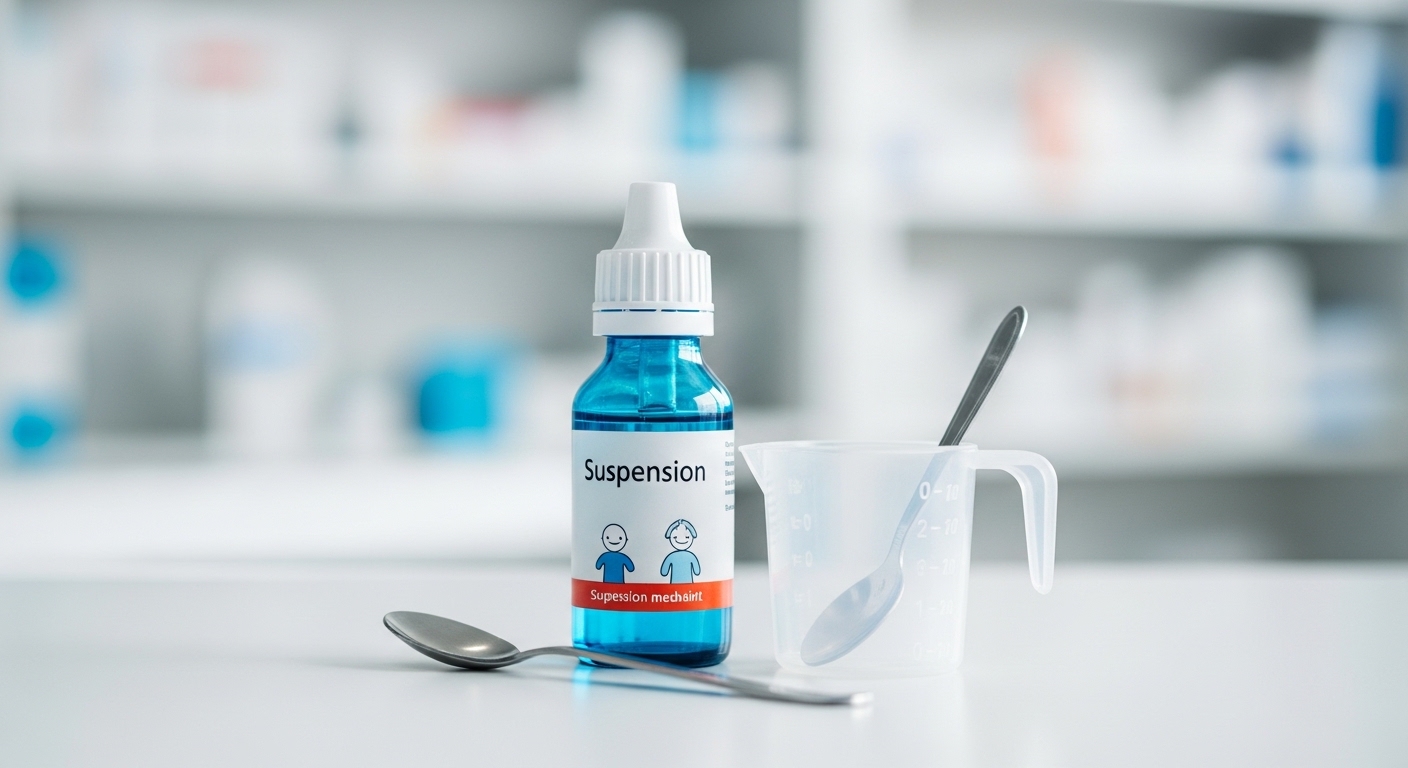
Mefenamic acid and paracetamol suspension is a liquid combination medication commonly used to treat fever and mild to moderate pain, particularly in children. Mefenamic acid is a non-steroidal anti-inflammatory drug (NSAID) that reduces inflammation and pain by inhibiting prostaglandin synthesis. Paracetamol (acetaminophen) acts centrally to reduce pain perception and lower fever. The suspension form allows easier dosing in pediatric and elderly patients who may have difficulty swallowing tablets. While effective when used appropriately, this medication requires careful dosing based on body weight to avoid gastrointestinal or liver-related risks. This guide explains mefenamic acid and paracetamol suspension uses in clear international English for educational purposes only and does not replace professional medical advice.
What Is Mefenamic Acid and Paracetamol Suspension
Mefenamic acid and paracetamol suspension is a liquid formulation containing two active ingredients used to manage fever and pain. Mefenamic acid is an NSAID that reduces inflammation and pain by blocking cyclooxygenase (COX) enzymes responsible for prostaglandin production. Paracetamol works primarily in the brain to reduce fever and relieve pain. This combination is frequently prescribed for children with fever associated with infections, toothache, ear pain, sore throat, and minor injuries. The liquid form ensures accurate dose adjustment based on body weight.
How the Combination Works
Mefenamic acid decreases prostaglandin production in peripheral tissues, helping reduce inflammation, swelling, and pain. Paracetamol acts centrally in the hypothalamus to lower body temperature and block pain signals. The combination provides both anti-inflammatory and antipyretic effects, making it useful when fever is accompanied by body pain or inflammatory symptoms.
Medical Uses and Indications
| Condition | Role of Medication | Typical Duration |
|---|---|---|
| Fever (Pediatric) | Reduces temperature and discomfort | Short term |
| Toothache | Relieves inflammatory dental pain | Few days |
| Ear Pain | Reduces inflammation and fever | Short term |
| Muscle Pain | Decreases inflammation and soreness | Short term |
| Post-Vaccination Fever | Controls fever and discomfort | Short term |
Dosage and Administration Guidelines
Dosage is calculated based on body weight, especially in children. Parents or caregivers should use a calibrated measuring device to ensure accurate dosing. The medication is usually administered after meals to reduce stomach irritation. Patients must not exceed recommended daily limits of paracetamol, as overdose may cause severe liver damage. The duration of treatment should be limited to the shortest period necessary unless advised otherwise by a healthcare professional.
Benefits of the Suspension Form
The suspension form allows flexible dosing for children of different ages and weights. It is easier to swallow compared to tablets and ensures better compliance in pediatric patients. Combination therapy may provide faster relief when fever is associated with inflammatory pain.
Possible Side Effects
| Severity | Examples |
|---|---|
| Common | Nausea, mild stomach discomfort |
| Moderate | Diarrhea, dizziness |
| Serious | Allergic reaction, gastrointestinal bleeding, liver toxicity |
Safety Warnings and Contraindications
Children with known NSAID allergies, peptic ulcer disease, severe liver disease, or kidney impairment should avoid this medication unless specifically prescribed. Dehydrated children should use NSAIDs cautiously due to potential kidney risk. Alcohol use in older adolescents should be avoided while taking paracetamol-containing medications.
Drug and Food Interactions
| Interaction Type | Potential Risk |
|---|---|
| Other NSAIDs | Increased gastrointestinal risk |
| Anticoagulants | Higher bleeding risk |
| Alcohol | Increased liver toxicity risk |
| Corticosteroids | Higher ulcer risk |
Cost and Availability
Mefenamic acid and paracetamol suspension is widely available as a generic medication in many regions. It is generally affordable and accessible in community pharmacies. Pricing varies based on manufacturer and local regulations.
Monitoring Requirements
Short-term use for fever typically does not require laboratory monitoring. However, prolonged or repeated use may require liver and kidney function evaluation, particularly in children with chronic medical conditions.
Comparison With Other Fever Medicines
| Factor | Mefenamic + Paracetamol | Paracetamol Alone | Ibuprofen Suspension |
|---|---|---|---|
| Reduces Fever | Yes | Yes | Yes |
| Anti-inflammatory | Yes | No | Yes |
| Liver Risk | Dose dependent | Dose dependent | Low |
| GI Risk | Moderate | Low | Moderate |
Long-Term Use Considerations
Long-term or frequent NSAID use may increase risk of gastrointestinal irritation and kidney effects. Paracetamol overdose can cause severe liver damage. Physicians generally recommend using the lowest effective dose for the shortest duration.
Future Outlook in Pediatric Pain Management
Future research in pediatric pain management focuses on safer anti-inflammatory formulations, improved dosing precision, and personalized medicine approaches to reduce adverse effects while maintaining efficacy.
FAQs
What is mefenamic acid and paracetamol suspension used for?
It is used to treat fever and mild to moderate pain, especially in children.
Is it safe for children?
Yes, when used in appropriate weight-based doses under medical guidance.
Can it reduce fever quickly?
Yes, it typically begins reducing fever within 30 to 60 minutes.
Can it cause stomach pain?
Yes. Mefenamic acid may cause gastric irritation, especially if taken without food.
Does it affect the liver?
Excessive paracetamol doses may cause liver toxicity.
Can it be taken with other fever medicines?
It should not be combined with other paracetamol or NSAID-containing medications unless advised.
How long can it be given?
Usually for short-term fever or pain relief unless otherwise prescribed.
Is a prescription required?
In many regions, it requires a prescription.
What happens in overdose?
Overdose may cause serious liver damage or gastrointestinal complications and requires urgent medical care.
Should it be taken before or after food?
It is generally recommended after meals to reduce stomach irritation.