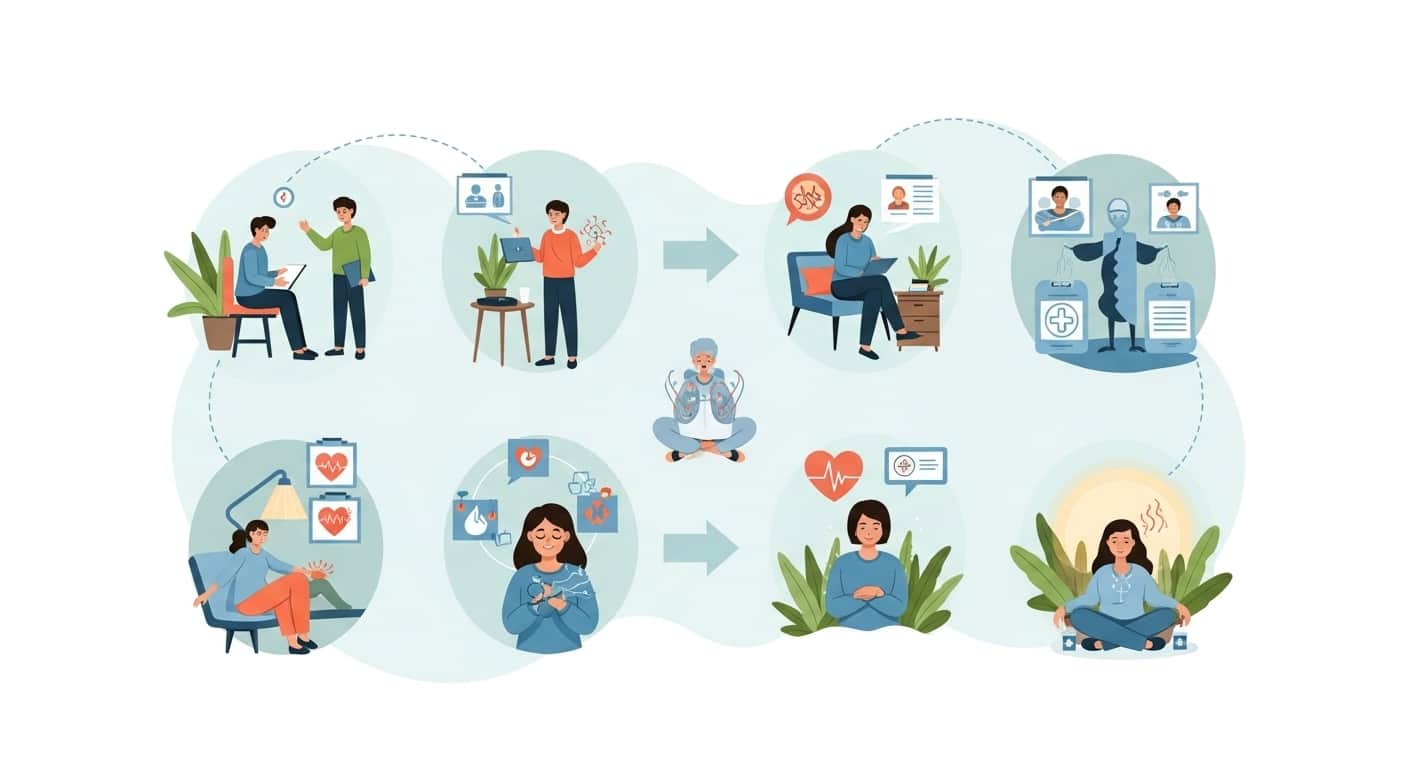
Anxiety disorders are among the most common mental health conditions worldwide. While occasional anxiety is normal, anxiety disorders involve excessive and persistent fear or worry that interferes with daily life. In 2026, anxiety disorder treatment combines medical care, therapy, lifestyle changes, and long-term management strategies. This guide explains anxiety disorder treatment in simple international English to help individuals understand symptoms, diagnosis, treatment options, and how to manage anxiety effectively over time.
What Is an Anxiety Disorder
An anxiety disorder is a mental health condition characterized by excessive fear, worry, or nervousness that is difficult to control. Unlike temporary stress, anxiety disorders are persistent and can affect work, relationships, sleep, and physical health.
Common Types of Anxiety Disorders
| Type | Description |
|---|---|
| Generalized Anxiety Disorder | Constant worry about daily activities |
| Panic Disorder | Sudden panic attacks |
| Social Anxiety Disorder | Fear of social situations |
| Phobias | Intense fear of specific objects or situations |
Symptoms of Anxiety Disorders
Symptoms of anxiety disorders can be emotional, physical, and behavioral.
Symptoms Table
| Category | Symptoms |
|---|---|
| Emotional | Excessive worry, fear, irritability |
| Physical | Rapid heartbeat, sweating, fatigue |
| Behavioral | Avoidance, restlessness, sleep problems |
How Anxiety Disorders Are Diagnosed
Diagnosis is usually done by a mental health professional through clinical interviews, symptom assessments, and medical evaluation to rule out physical causes.
Anxiety Disorder Treatment Options
Effective anxiety disorder treatment often involves a combination of approaches.
Treatment Options Table
| Treatment Type | Purpose |
|---|---|
| Psychotherapy | Address thought and behavior patterns |
| Medication | Reduce symptoms chemically |
| Lifestyle Changes | Support mental balance |
| Self-Help Strategies | Daily anxiety management |
Natural vs Medical Treatment for Anxiety
Anxiety treatment can be natural, medical, or a combination of both.
Natural vs Medical Comparison Table
| Aspect | Natural Treatment | Medical Treatment |
|---|---|---|
| Approach | Lifestyle and coping skills | Medication and therapy |
| Speed of Relief | Gradual | Faster for severe cases |
| Side Effects | Minimal | Possible |
| Best For | Mild to moderate anxiety | Moderate to severe anxiety |
Therapy vs Medication for Anxiety
Both therapy and medication are effective anxiety disorder treatments, depending on severity and individual needs.
Therapy vs Medication Table
| Aspect | Therapy | Medication |
|---|---|---|
| Long-Term Benefits | High | Moderate |
| Skill Development | Yes | No |
| Dependency Risk | None | Possible |
| Effectiveness | Strong | Strong |
Cost of Anxiety Disorder Treatment
The cost of treatment varies by location, provider, and treatment method.
Cost Table
| Treatment Type | Cost Range |
|---|---|
| Online Therapy | Low to moderate |
| In-Person Therapy | Moderate to high |
| Medication | Low to moderate |
Long-Term Management of Anxiety Disorders
Anxiety disorders are often chronic but manageable with long-term strategies.
- Regular therapy sessions
- Medication adherence if prescribed
- Stress management techniques
- Routine physical activity
- Monitoring triggers and symptoms
Lifestyle Changes That Support Treatment
Lifestyle changes play a crucial role in anxiety management.
- Adequate sleep
- Balanced nutrition
- Mindfulness and relaxation
- Limiting caffeine and alcohol
Common Myths About Anxiety Treatment
- Anxiety is just weakness
- Medication is the only solution
- Therapy is unnecessary
- Anxiety will go away on its own
When to Seek Professional Help
Professional help should be sought when anxiety interferes with daily life, relationships, work, or physical health. Early treatment leads to better outcomes.
Future of Anxiety Disorder Treatment
The future of anxiety disorder treatment includes digital therapy platforms, AI-assisted mental health tools, personalized treatment plans, and improved access to care worldwide.
FAQs
What is the best treatment for anxiety disorders?
A combination of therapy, medication, and lifestyle changes is often most effective.
Can anxiety disorders be cured?
They may not be fully cured but can be effectively managed long-term.
Is medication necessary for anxiety?
Not always. Mild cases may respond to therapy and lifestyle changes.
How long does anxiety treatment take?
Improvement may take weeks to months depending on severity.
Is online anxiety treatment effective?
Yes. Online therapy is effective for many people.