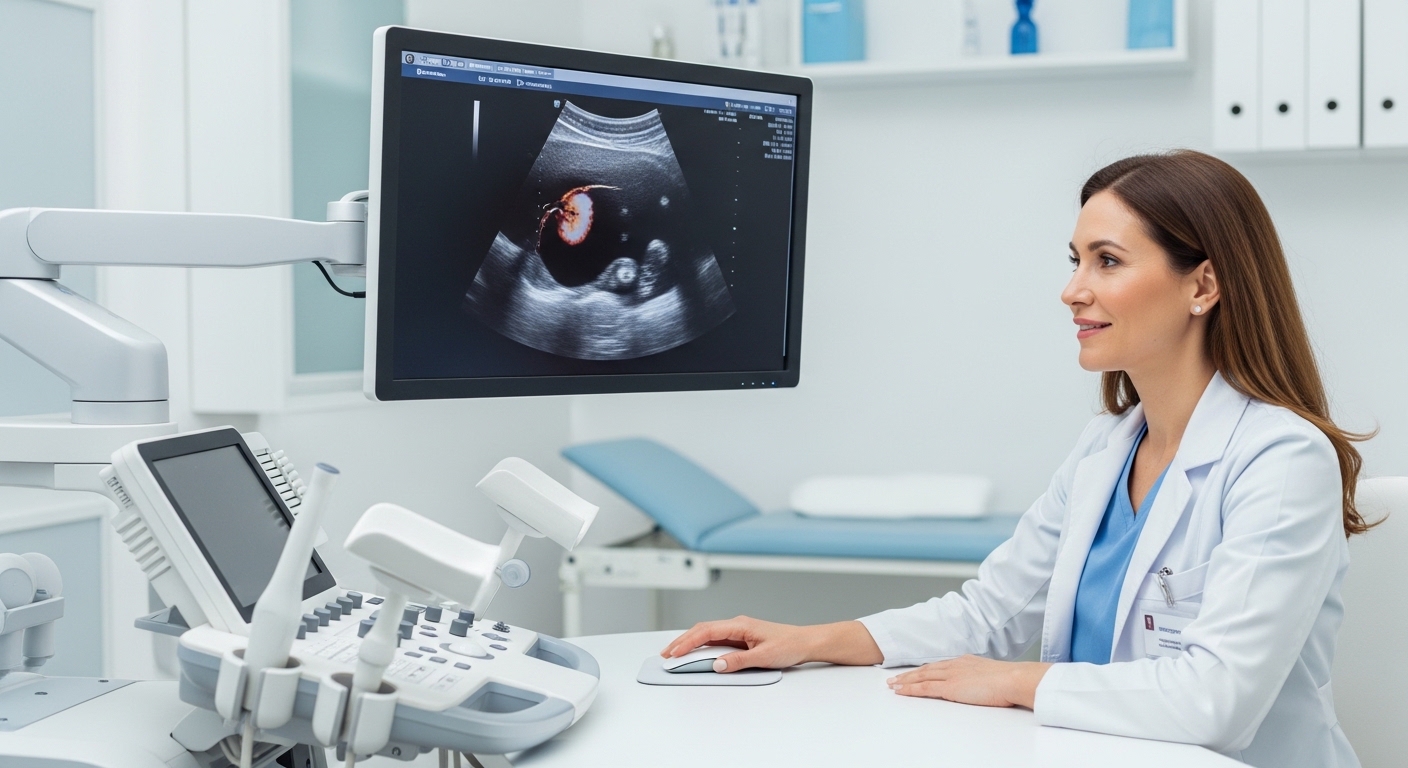
A follicular study is a specialized ultrasound procedure used to monitor the growth and development of ovarian follicles during a menstrual cycle. It plays a critical role in fertility evaluation, ovulation tracking, and assisted reproductive treatments such as IUI and IVF. For couples trying to conceive, identifying the exact ovulation day is essential. A follicular study provides accurate, real-time information about follicle size, egg maturation, and endometrial thickness. This helps doctors determine the most fertile window and plan timed intercourse or fertility procedures. The procedure is commonly recommended for women with irregular periods, PCOS (Polycystic Ovary Syndrome), unexplained infertility, or those undergoing ovulation induction treatment. This comprehensive guide explains what follicular study is, how it is done, normal follicle size for ovulation, cost, benefits, risks, success rates, and advanced fertility insights in a structured and medically informative format.
What is Follicular Study?
A follicular study, also known as follicular monitoring, is a series of transvaginal ultrasound scans performed during a menstrual cycle to observe ovarian follicle development. Each month, several follicles begin to grow in the ovaries, but usually only one dominant follicle matures and releases an egg during ovulation. The study tracks this dominant follicle. The procedure typically begins between day 8 and day 10 of the menstrual cycle and continues every 1–2 days until ovulation occurs. Doctors measure follicle size, monitor growth rate, and assess endometrial thickness to determine the most fertile period. It is a non-invasive, painless diagnostic tool widely used in reproductive medicine.
Why is Follicular Monitoring Done?
Follicular monitoring is recommended for several medical and fertility-related reasons. • To identify the exact ovulation day • To evaluate irregular menstrual cycles • To diagnose ovulation disorders • To monitor ovulation induction treatment • To support IUI (Intrauterine Insemination) timing • To plan IVF egg retrieval Women with PCOS, thyroid disorders, hormonal imbalance, or unexplained infertility often benefit from follicular studies. It helps improve conception chances by ensuring intercourse or procedures occur during the fertile window.
Follicular Study Procedure Step-by-Step
| Cycle Day | What Happens | Purpose |
|---|---|---|
| Day 8–10 | Baseline ultrasound scan | Check initial follicle size |
| Day 11–14 | Repeat scan every 1–2 days | Track dominant follicle growth |
| Follicle ~18–24 mm | Ovulation trigger (if required) | Prepare for egg release |
| Post Ovulation | Confirm follicle rupture | Confirm ovulation occurred |
Normal Follicle Size & Ovulation Timeline
| Stage | Follicle Size (mm) | Significance |
|---|---|---|
| Early Growth | 8–12 mm | Follicle developing |
| Pre-Ovulation | 16–18 mm | Approaching maturity |
| Optimal Ovulation Size | 18–24 mm | Egg ready for release |
| Post Ovulation | Collapsed follicle | Ovulation confirmed |
Role in Fertility Treatments (IUI & IVF)
- Determines precise timing for IUI procedure.
- Guides egg retrieval timing in IVF cycles.
- Monitors response to fertility medications.
- Prevents premature ovulation in stimulated cycles.
- Evaluates endometrial thickness for embryo implantation.
Cost of Follicular Study
| Location | Average Cost per Cycle | Notes |
|---|---|---|
| India (Tier 1 Cities) | ₹1,500 – ₹4,000 | Multiple scans included |
| India (Tier 2 Cities) | ₹800 – ₹2,500 | Varies by clinic |
| Private Fertility Centers | ₹3,000 – ₹6,000 | Advanced monitoring |
| With Fertility Treatment Package | Included | Part of IUI/IVF plan |
Benefits and Accuracy
- Accurate ovulation tracking.
- Improves conception success rates.
- Non-surgical and minimally invasive.
- Helps diagnose anovulation.
- Supports personalized fertility planning.
Risks and Limitations
- Requires multiple clinic visits in one cycle.
- May not detect egg quality issues.
- Hormonal medications may cause side effects.
- Emotional stress during fertility monitoring.
Advanced Fertility Insights
Advanced fertility specialists use follicular study alongside hormone blood tests such as LH, FSH, and estradiol levels for precise ovulation prediction. In stimulated cycles, multiple follicles may develop. Doctors carefully monitor follicle count to prevent ovarian hyperstimulation syndrome (OHSS). Endometrial thickness of 7–12 mm is generally considered optimal for implantation. Follicular study therefore evaluates both ovarian and uterine readiness. When combined with lifestyle optimization, proper nutrition, and medical guidance, follicular monitoring significantly enhances fertility outcomes.
FAQs
What is a follicular study used for?
It is used to monitor follicle growth and determine the exact ovulation day for conception or fertility treatment.
When should a follicular study be done?
It usually starts between day 8 and day 10 of the menstrual cycle and continues until ovulation.
What is the normal follicle size for ovulation?
A mature follicle typically measures between 18–24 mm before ovulation.
Is follicular study painful?
No, it is a minimally invasive ultrasound procedure and generally painless.
How many scans are required in follicular monitoring?
Usually 3–5 scans per cycle depending on follicle growth.
What is the cost of follicular study in India?
The cost ranges from ₹800 to ₹6,000 depending on location and clinic.
Does follicular study confirm pregnancy?
No, it confirms ovulation. Pregnancy is confirmed through a pregnancy test.
Is follicular study necessary for PCOS?
It is often recommended for women with PCOS to monitor ovulation patterns.
Can follicular study increase chances of pregnancy?
Yes, by identifying the exact fertile window, it improves timing and conception probability.
Is follicular monitoring required in IVF treatment?
Yes, it is essential for tracking follicle development and scheduling egg retrieval.