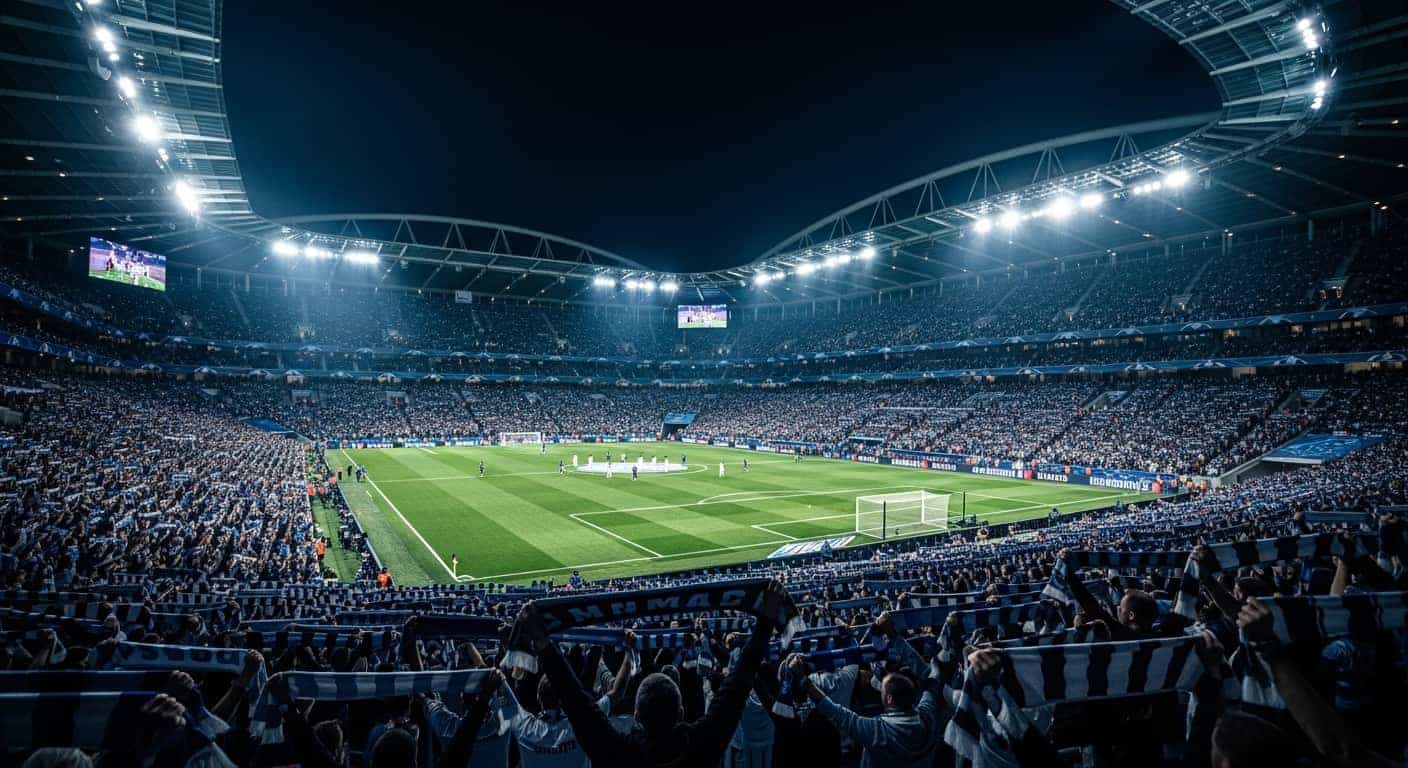
The is the most prestigious club football competition in the world. It brings together the best teams from across Europe to compete for continental glory, global recognition, and footballing legacy. Known for iconic nights, legendary players, and dramatic knockout matches, the Champions League represents the highest level of club football. This guide explains how the Champions League works, its structure, history, and why it holds such importance in modern football.
What Is the Champions League
The Champions League is an annual football competition organized by UEFA for Europe’s top club teams. Clubs qualify based on their performance in domestic leagues during the previous season. It is widely regarded as the toughest and most competitive club tournament due to the quality of teams and players involved.
Why the Champions League Is So Important
The Champions League represents the highest standard of club football. Winning the competition brings international prestige, significant prize money, and long-term global recognition. For players, success in the Champions League often defines careers and cements legendary status.
Champions League Qualification Explained
Clubs qualify for the Champions League through their domestic league positions. Stronger football leagues receive more qualification spots, while smaller leagues usually enter through qualifying rounds. Qualification rules ensure representation from across Europe while maintaining a high competitive standard.
Champions League Qualification Overview
| Qualification Route | Description |
|---|---|
| Top Domestic League Finish | Automatic qualification |
| Playoff Rounds | Qualification through preliminary matches |
| League Champions | Entry from smaller leagues |
| Coefficient Rankings | Extra spots for strong leagues |
Champions League Format and Stages
The Champions League consists of multiple stages, beginning with qualifying rounds and followed by a league or group phase. Teams then progress to knockout rounds. Each stage increases in intensity, with every match carrying high stakes and global attention.
Champions League Tournament Structure
| Stage | Purpose |
|---|---|
| Qualifying Rounds | Determine final tournament entrants |
| League / Group Phase | Initial competition stage |
| Round of 16 | Start of knockouts |
| Quarter-Finals | Elite teams remain |
| Semi-Finals | Finalists decided |
| Final | Champion crowned |
Knockout Rounds and Final
The knockout rounds are the most dramatic part of the Champions League. Matches are played over two legs, testing consistency, tactics, and mental strength. The final is a single match held at a neutral venue and is one of the most watched sporting events globally.
Most Successful Champions League Clubs
| Club | Notable Achievement |
|---|---|
| Real Madrid | Most Champions League titles |
| AC Milan | Historic European dominance |
| Bayern Munich | Consistent elite performance |
| Liverpool | Iconic European nights |
| Barcelona | Era-defining teams |
Champions League vs Domestic Leagues
| Champions League | Domestic Leagues |
|---|---|
| Elite European competition | Country-based competitions |
| International exposure | Local or national focus |
| Short high-pressure format | Long season format |
| Global audience | Regional audience |
Why Fans Love the Champions League
- High-quality football every matchday
- Iconic goals and historic moments
- Clashes between football giants
- Unpredictable knockout drama
- Global fan engagement
FAQs
What is the Champions League in football?
It is Europe’s top club football competition organized by UEFA.
How do teams qualify for the Champions League?
Teams qualify based on their domestic league performance and UEFA rules.
Why is the Champions League more prestigious than leagues?
It features the best clubs across Europe competing at the highest level.
When is the Champions League final played?
The final is usually played at the end of the European football season.