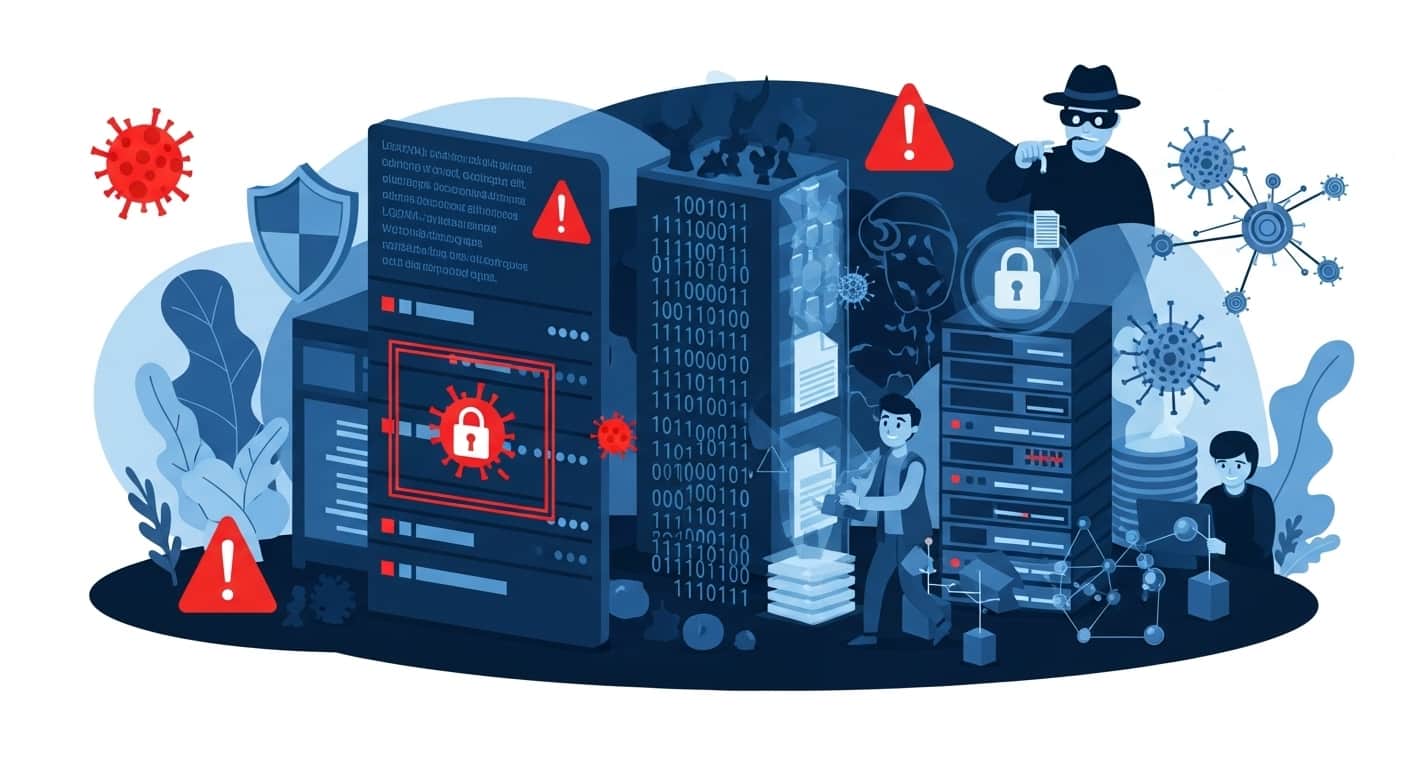
Ransomware attacks have become one of the most dangerous and costly cyber threats in the digital world. These attacks lock or steal data and demand payment in exchange for restoring access. In 2026, ransomware affects individuals, startups, hospitals, enterprises, and governments across the globe. This guide explains ransomware attacks in simple terms, how they work, why they are increasing, and how organizations and individuals in the United States and India can reduce their risk.
What Are Ransomware Attacks
A ransomware attack is a type of cyberattack where malicious software encrypts or locks data on a system and demands payment, usually in cryptocurrency, to restore access. In some cases, attackers also threaten to leak stolen data if the ransom is not paid.
How Ransomware Attacks Work
Ransomware typically enters a system through phishing emails, malicious downloads, or software vulnerabilities. Once inside, it spreads quickly, encrypts files, and displays a ransom message.
Why Ransomware Is Increasing
Ransomware attacks are increasing because they are profitable and relatively low risk for attackers. The rise of remote work, cloud services, and digital payments has expanded the attack surface.
Common Types of Ransomware
There are several types of ransomware, each with different methods and impacts.
- Crypto ransomware that encrypts files
- Locker ransomware that locks systems
- Double extortion ransomware
- Ransomware-as-a-service
Ransomware Attack Lifecycle
Most ransomware attacks follow a predictable lifecycle.
- Initial access through phishing or exploits
- Privilege escalation
- Data encryption or theft
- Ransom demand and negotiation
Who Is Most at Risk
While anyone can be targeted, some groups face higher risk.
- Small and medium businesses
- Healthcare organizations
- Government agencies
- Educational institutions
Impact of Ransomware Attacks
The impact of ransomware goes beyond financial loss. It can disrupt operations, damage reputation, and even put lives at risk in critical sectors.
Ransomware and Cryptocurrency
Attackers often demand payment in cryptocurrency because it provides anonymity and makes tracking difficult. This has made ransomware a global and scalable criminal business.
Role of AI in Modern Ransomware
In 2026, attackers increasingly use AI to automate phishing, identify vulnerabilities, and evade detection. This makes ransomware more targeted and harder to stop.
How to Prevent Ransomware Attacks
Prevention is the most effective defense against ransomware.
- Regular data backups
- Employee security training
- Strong email filtering
- Timely software updates
- Network segmentation
What to Do After a Ransomware Attack
If a ransomware attack occurs, quick and calm action is critical.
- Isolate affected systems
- Notify security teams
- Do not pay the ransom immediately
- Restore from backups if possible
- Report the incident to authorities
Common Security Mistakes
Many ransomware incidents succeed due to basic security failures.
- Weak passwords
- Unpatched software
- Lack of backups
- Poor employee awareness
Future of Ransomware Threats
Ransomware will continue to evolve with AI, automation, and new attack techniques. The future will require stronger cybersecurity practices, better awareness, and coordinated global response.
FAQs
What is a ransomware attack?
A ransomware attack locks or steals data and demands payment to restore access.
Should you pay the ransom?
Security experts generally advise against paying, as it encourages further attacks.
Who is most targeted by ransomware?
Businesses, healthcare, governments, and institutions are common targets.
Can ransomware be prevented?
Yes. Strong security practices and regular backups greatly reduce risk.
Is ransomware increasing in 2026?
Yes. Attacks are becoming more frequent and more sophisticated.