How Do You Become a High School English Teacher
You need a bachelor's degree, a state teaching license, and a passing subject-area exam score — here's the exact path, step by step.
Key Takeaways
- The core path is simple: bachelor's degree → teacher prep program → student teaching → pass your state's exams → apply for your license.
- Your major doesn't have to be English. Almost every state lets you major in something else and pass a subject-matter test instead.
- Alternative certification is real and growing. As of 2026, over 387,000 U.S. teaching positions are staffed by people without full certification — which means fast-track routes into English classrooms exist right now.
- Expect 4–6 years total if you go the traditional route, or as little as one semester if you already have a bachelor's degree and qualify for an alternative program.
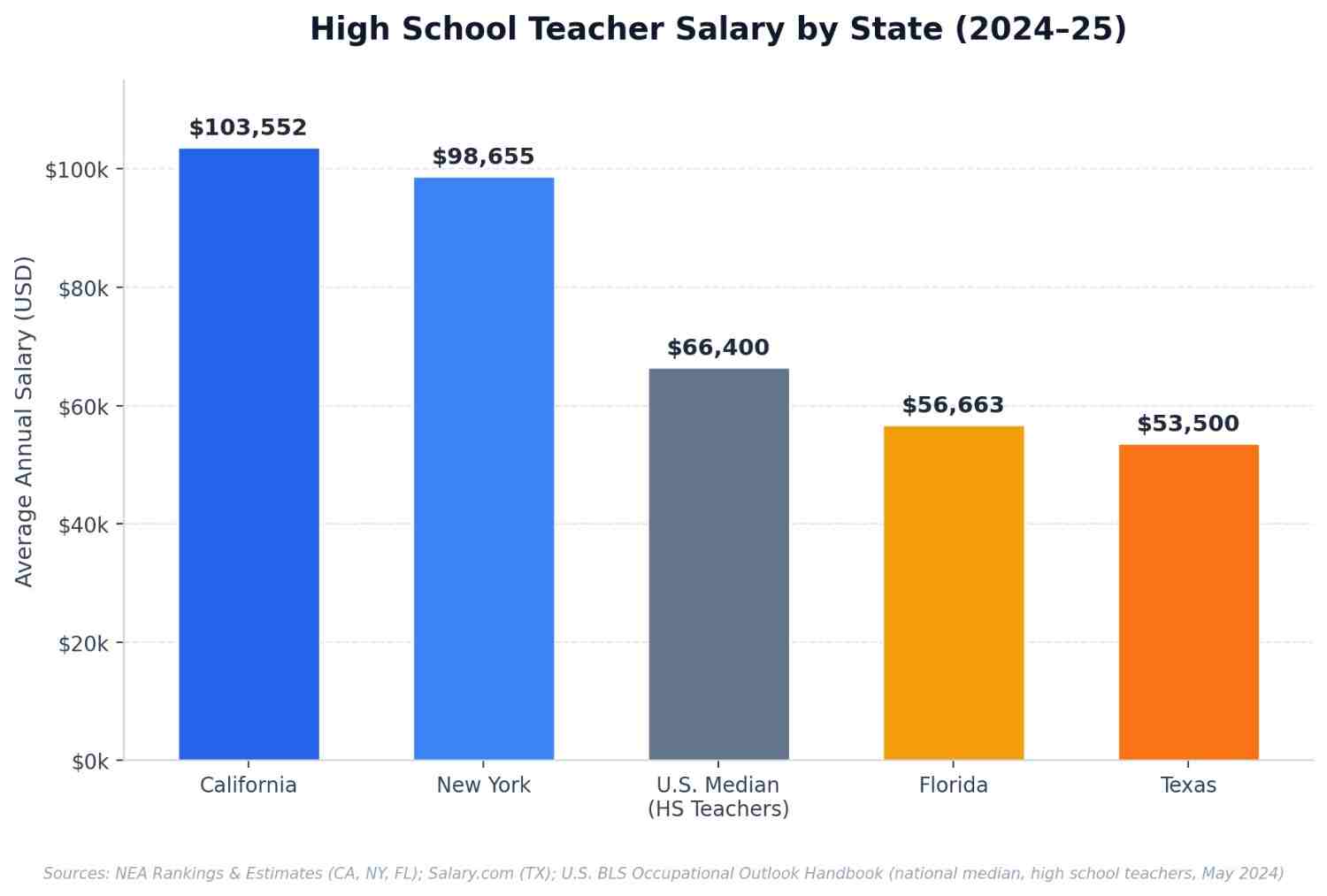
- Pay varies a lot by state. The median for high school teachers nationally sits around $64,580, but that number swings from the mid-$40s to over $100,000 depending on where you teach.
I spent my first year out of college subbing in a district that couldn't find enough English teachers to cover its own classrooms. That's still true today — English, along with special ed and ESL, shows up on nearly every state's shortage list. So if you're asking how you become a high school English teacher, you're asking at a genuinely good time to ask it.
The honest answer isn't complicated, but it does have a few forks in the road depending on your state and your current degree. I'll walk you through the exact steps, what they cost in time and money, and where people usually get stuck.
By the end of this, you'll know whether the traditional degree-then-credential path fits you, or whether an alternative route gets you into a classroom faster. Ready to see where you actually start?
What Does a High School English Teacher Actually Do?
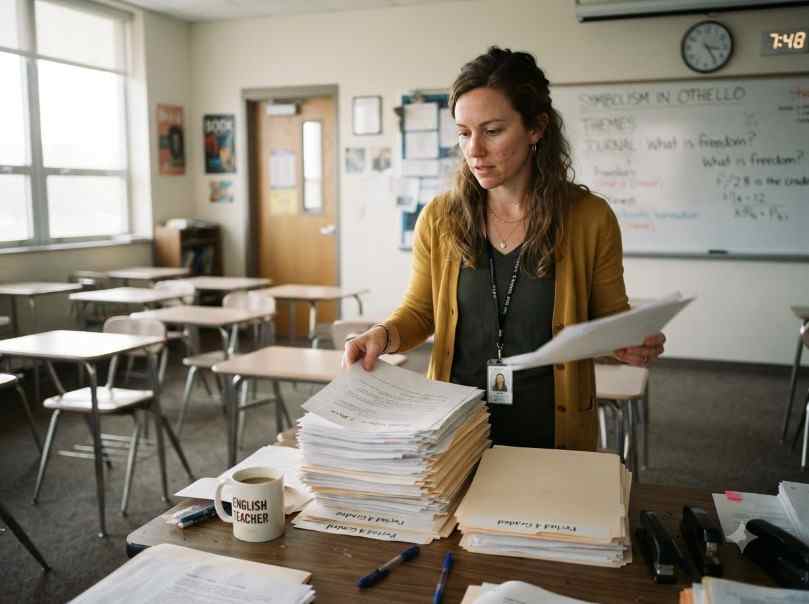
A high school English teacher plans and delivers reading and writing instruction to teenagers, and grades an enormous amount of student writing along the way. On a normal week, that means building lesson plans for four or five class sections, grading essays and quizzes, and replying to a steady stream of parent and student emails.
It's more paperwork than most people expect going in. You'll also attend IEP or 504 meetings for students with learning differences, sit in on staff meetings, and often supervise a club or coach something after school.
Here's what nobody tells you before student teaching: grading is the job that eats your evenings. Five classes of 30 students each, all writing essays on a rotating schedule, means you're never fully caught up — you just find a rhythm that keeps the pile from swallowing you whole.
How Do You Become a High School English Teacher? (The 5 Steps)
You become a high school English teacher by earning a bachelor's degree, completing a state-approved teacher preparation program, finishing supervised student teaching, passing your state's licensing exams, and applying for certification. Here's what each step actually looks like in practice.
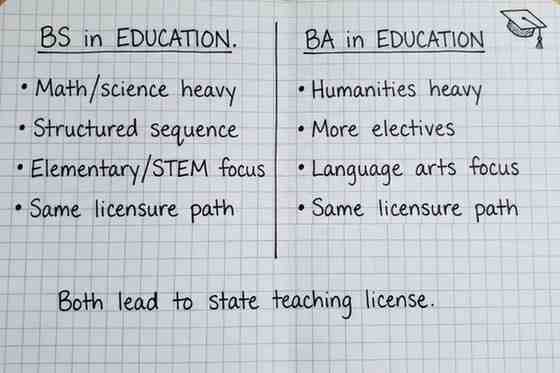
- Earn a bachelor's degree. An English or English education major is the smoothest path, but a degree in another field works too if you're willing to pass a subject-matter exam later.
- Get into a teacher prep program. This can be a standalone credential program, a master's in education with a teaching credential built in, or an alternative certification program if you already have your bachelor's.
- Complete student teaching. Most programs require 12–18 weeks of supervised classroom practice under a mentor teacher — this is where you find out if you actually like the job.
- Pass your state's required exams. Almost every state requires a Praxis Core or equivalent basic-skills test, plus a subject-specific English/language arts exam.
- Apply for your state teaching license. Submit your transcripts, exam scores, fingerprints, and background check to your state's department of education.
What Do You Need to Become a High School English Teacher?
To become a high school English teacher, you need a bachelor's degree, a passing score on your state's teacher certification exams, completed student teaching hours, and a clean background check. Most states also require a set number of observed classroom hours before you're even allowed into student teaching.
Here's the general requirement checklist most states share:
- Bachelor's degree: In English, English education, or another subject with a subject-matter exam as backup.
- Basic skills exam: Usually the Praxis Core, testing reading, writing, and math — a standard requirement in many states before you're even admitted into a teacher prep program.
- Subject-area exam: A Praxis or state-specific English/language arts content exam, since more than 40 states require aspiring teachers to pass a Praxis subject assessment as part of certification.
- Student teaching: 12–18 weeks minimum, supervised by a licensed mentor teacher.
- Background check and fingerprinting: Required in every state before you can be placed in a classroom.
- State application and fees: Typically $50–$200 depending on the state.
What this actually means for you: if your undergrad degree is already in English, you skip a step. If it's in history, biology, or business, budget extra time and a testing fee for that subject-matter exam.
How to Become a High School English Teacher in California
California requires a bachelor's degree, a passing score on the CSET English exam (or an approved subject-matter program), a Commission-approved teacher preparation program with student teaching, and a Certificate of Clearance from a background check. The state currently runs its credentialing through the California Commission on Teacher Credentialing (CTC).
If your degree isn't in English, you'll take the three-part CSET: English exam instead of completing a subject-matter program at your university. Most candidates finish their preliminary credential program in 12–18 months, often paired with a master's degree for a better spot on the district pay scale.
A lot of first-year teachers here land their first job at the school where they student-taught — it's basically a semester-long interview, and principals notice who shows up reliably.
How to Become a High School English Teacher in Texas
Texas requires a bachelor's degree, admission into an approved Educator Preparation Program (EPP), passing scores on the TExES Core Subjects or Pedagogy exam plus the TExES English Language Arts and Reading 7-12 exam, and a completed background check through the state board. Texas also runs one of the country's most active alternative certification systems, since it accounts for the largest single-state share of not-fully-certified teachers in the country right now.
That shortage cuts both ways for job seekers: it means openings are easy to find, but it also means some districts are staffing classrooms with teachers still finishing their certification. If you're weighing a traditional EPP against an alternative one, ask directly how many of last year's alt-cert hires stayed past year two — retention data tells you more than a brochure will.
How to Become a High School English Teacher in Florida
Florida requires a bachelor's degree, a passing score on the Florida Teacher Certification Exam (FTCE) General Knowledge and Professional Education tests, plus the FTCE English 6-12 subject exam, and a completed fingerprint-based background screening. Florida issues a 5-year Professional Certificate once all requirements clear, or a temporary certificate that lets you teach while finishing coursework.
Florida's temporary certificate route is one of the faster ways into an English classroom if you already hold a bachelor's degree in any field. You'll teach on that temporary certificate while completing your professional education coursework on the side, which suits career-changers who need income while they requalify.
How Long Does the Whole Process Take?
Becoming a high school English teacher through the traditional path takes 4 to 6 years: 4 years for a bachelor's degree plus 1 to 2 years for a teacher preparation program and licensing exams. Alternative certification routes can shrink that timeline to as little as one semester if you already hold a bachelor's degree in any subject.
Here's a quick side-by-side so you can see where each path actually lands:
| Path | Typical Timeline | Best For |
|---|---|---|
| Traditional (BA in English → credential program) | 5–6 years total | High schoolers or current undergrads planning ahead |
| BA in another field → subject-matter exam → credential | 4.5–6 years total | Undergrads who didn't major in English |
| Alternative certification (career changer) | 1–2 semesters + probationary teaching | Adults with a bachelor's degree switching careers |
| Master's + credential combo | 5–6 years total, better starting pay | Anyone willing to trade extra time for a pay bump |
My own path took the middle route. I subbed for a year while finishing my credential coursework at night, and I'm still in touch with the cohort I went through my district's two-year induction program with — that support network matters more than people expect going in.
How Do You Become a High School Teacher Without an Education Degree?
You can become a high school English teacher without an education degree by earning a bachelor's degree in any subject, passing your state's subject-matter exam for English, and completing an alternative or post-baccalaureate certification program. This route exists specifically because every state in the country is currently experiencing some level of teacher shortage, and districts need a faster pipeline than the traditional four-year path allows.
Alternative certification isn't a shortcut with no standards — you still do student teaching and pass the same state exams. What changes is the sequencing: you often teach on a provisional or emergency credential while finishing the coursework, instead of finishing coursework first.
What Do High School English Teachers Get Paid?
The median annual wage for high school teachers in the U.S. was $64,580 as of May 2024, according to the Bureau of Labor Statistics. That figure moves a lot depending on your state, your district, and whether you're in a public or private school.
Public school teachers earned a median wage of $66,400 per year in 2025, compared with $59,700 at private schools, according to USAFacts. Separately, NEA data shows the average public school teacher salary rose from $71,985 in 2023–24 to $74,495 in 2024–25 — and that figure counts long-tenured teachers, which pulls the average above the median.
What this actually means for your paycheck: starting salary is almost always lower than these headline averages, since they blend in veteran teachers with 15+ years of service. Ask any district you're interviewing with for their actual step-1 salary schedule, not the district-wide average, before you compare offers.
Is Being a High School English Teacher Worth It? (Pros and Cons)
How I'm judging this: I'm weighing day-to-day job satisfaction, workload realities, pay stability, and long-term career flexibility — not just the romantic version of "shaping young minds" you see in recruitment brochures.
- Pros — Summers and holidays off: a real, structured break most careers don't offer.
- Pros — Direct influence on teenagers during a formative stretch of their lives, especially around reading and writing skills they'll use forever.
- Pros — Pension and retirement stability in most public school systems, which is rarer than it used to be across other careers.
- Pros — Built-in pay increases for years of service and additional credit hours, so your income has a predictable upward path.
- Cons — Grading load is relentless: five sections of essays on a rolling schedule means your evenings and weekends absorb the overflow.
- Cons — Pay lags behind comparable careers requiring similar education, especially in lower-paying states.
- Cons — Emotional labor is real: you're managing 150+ teenagers' academic and sometimes personal struggles simultaneously.
- Cons — Classroom management burnout hits hardest in the first two to three years, before routines and confidence solidify.
It depends heavily on your district and grade level whether the pros outweigh the cons — a well-resourced suburban school and an under-resourced urban one can feel like two entirely different jobs wearing the same title. If you genuinely love reading and writing and don't mind being "on" in front of a room for six hours a day, most of the cons become manageable within a couple years.
Author Bio
Kush Verma is a Software Engineer, Teacher & Principal Editor, and Researcher at UKTU, with a background in Computer Science Engineering and full-stack development. He writes about software engineering, educational frameworks for readers seeking practical, fact-checked guides, drawing on a strict four-stage editorial process of primary research, technical validation, editorial refinement, and continuous auditing.
Frequently Asked Questions
How many years of college does it take to become an English teacher?+
Most people need four years for a bachelor's degree, plus one to two more years for a teacher preparation or credential program. Alternative certification can shorten that second stage to a single semester if you already hold a bachelor's degree.
Can I teach high school English with a degree in something else?+
Yes — most states let you major in another subject as long as you pass a subject-matter exam like the Praxis English or your state's equivalent. You'll typically also need to complete a post-baccalaureate credential program afterward.
Do I need a master's degree to teach high school English?+
No, a bachelor's degree plus your state's teaching credential is enough to start teaching. Many teachers earn a master's later for a higher spot on the district pay scale, not because it's required to enter the classroom.
What's the difference between a teaching credential and a teaching license?+
They're often used interchangeably, but "credential" typically refers to the training program you complete, while "license" or "certification" refers to the state's official approval to teach. You generally need both — the completed program leads to the state-issued license.
How hard is it to become a high school English teacher?+
The process itself isn't academically difficult if you already enjoy reading and writing, but it does require patience through several sequential steps: degree, program, student teaching, and exams. The harder part for most people is the first year or two of actual classroom management, not the certification path.
Is there a shortage of English teachers right now?+
Yes — English, along with ESL and special education, appears on most states' teacher shortage lists as of 2026. That shortage is part of why alternative certification programs have expanded so quickly in recent years.
Can I become a high school English teacher online?+
Many credential and even master's-plus-credential programs now offer coursework online, though student teaching still has to happen in person in a physical classroom. Check that any online program you consider is approved by your specific state's board of education before enrolling.